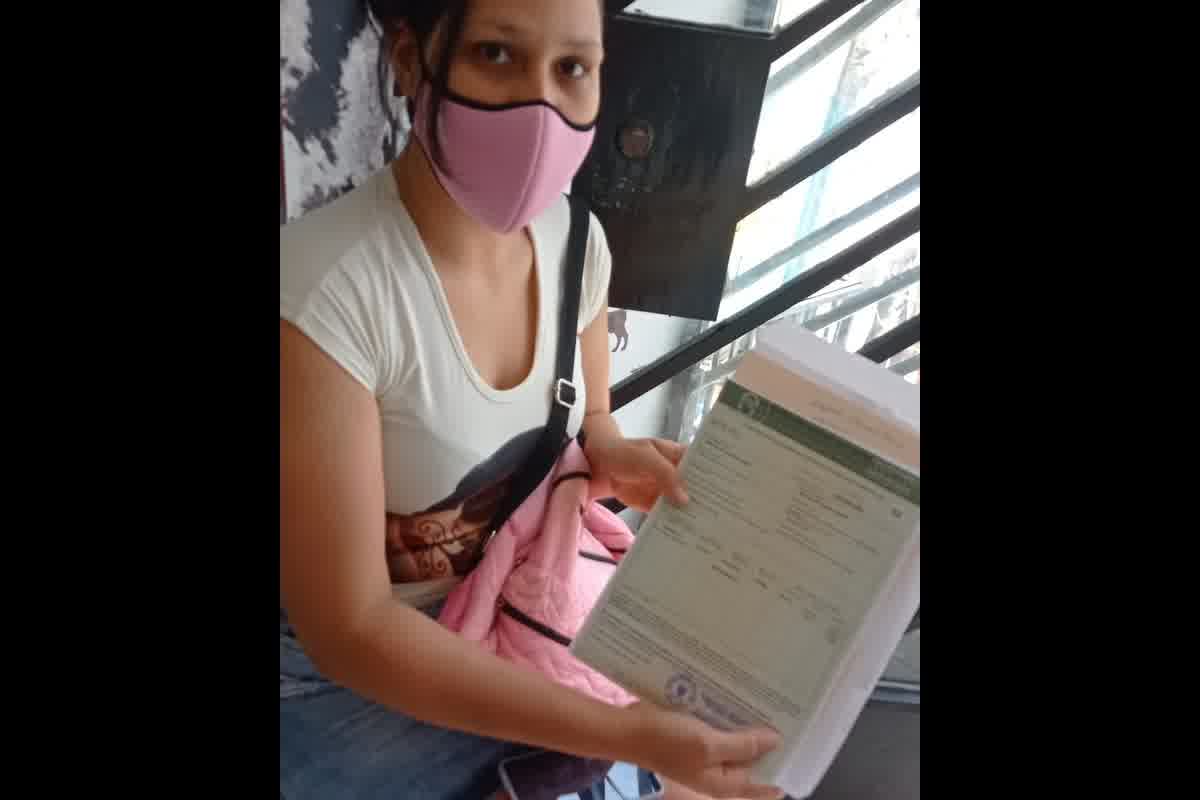
Technical guide to process the Senasa zoosanitary certificate (CZE) in Trujillo, Peru: CA07 sequence, microchip, vaccines, CMVP certificate, deworming and inspection.
The procedure fails for a repeated reason: people arrive at Senasa with loose papers and a flight date on them. The Senasa zoosanitary certificate is not “received” with a format; It is broadcast when the clinical and documentary chain closes. In Trujillo we see it the same: the error occurs weeks before, in the sequence.
This process has a point of no return: the rabies vaccine applied before the microchip. When it happens, there is no administrative correction that will save it. It restarts from the beginning and the calendar moves months, not days.
Senasa's operational framework for the export of dogs and cats in Peru is tied to TUPA CA07 and the Animal Health Regulations. It does not matter if the process begins in Lima or in Senasa Trujillo: order is maintained. From 2026 you can upload documents and pay fees through the digital platform before the physical inspection, but the inspection does not disappear.
The regulatory support that supports the issuance includes Supreme Decree No. 051-2000-AG, Legislative Decree No. 1059 and its regulations, and procedure CA07 of Senasa's TUPA. On paper it looks like bureaucracy; In practice, it defines what the State can certify and what remains as a statement from the private veterinarian. In export, this difference decides whether the document passes control.
The formal request opens the file. Next comes identity verification with ISO 11784/11785 microchip, and that verification must support everything you declare. If the chip number appears different between the card, the CMVP certificate and the application, the inspection is stopped until it is clarified. In clinical practice, this error arises from an incompatible reader or a rushed transcription.
The procedure is closed in person: the inspector reads the microchip, reviews the clinical status and looks for visible ectoparasites. If ticks are found, the inspection is rejected and rescheduled. The reference rate of the CA07 procedure for the issuance of the CZE appears at S/ 97.20, and the certificate is issued when the file is coherent.
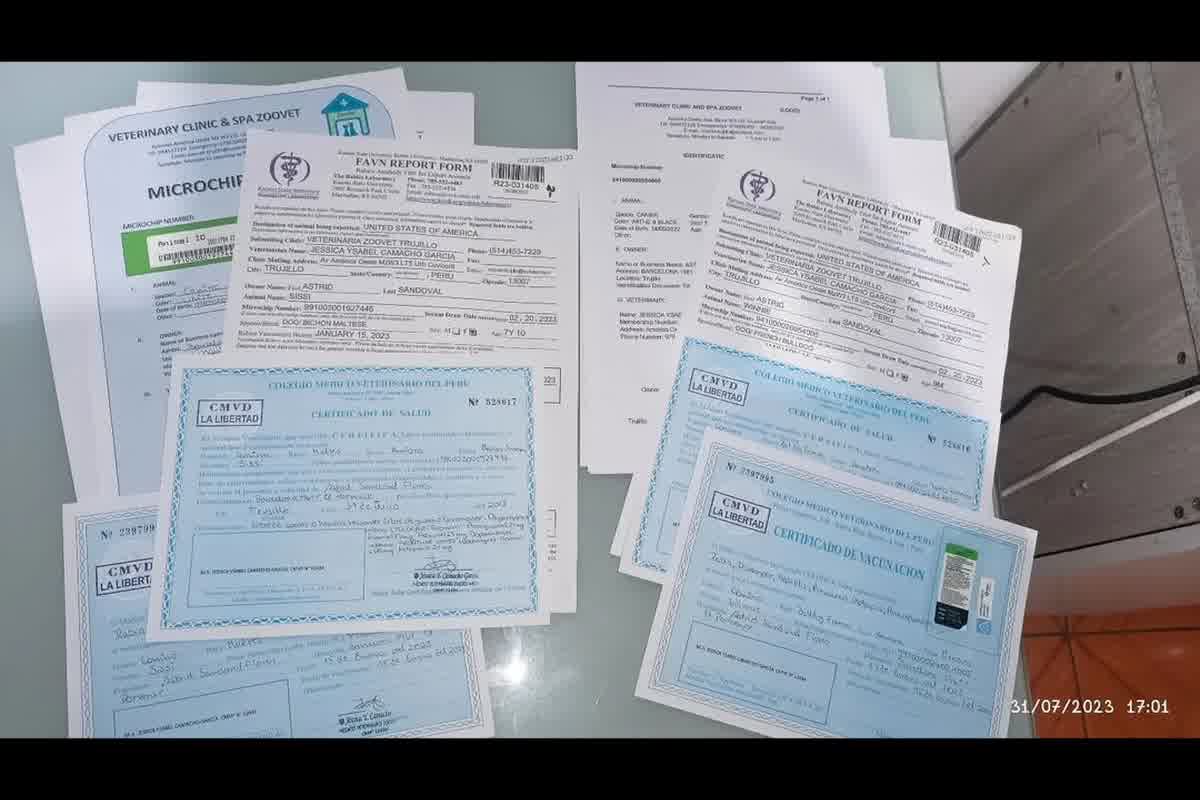
The microchip is not an accessory; It is the first act of the file. It must be implanted and read before the rabies vaccine. When the card shows a vaccine without a prior chip, Senasa has no way to certify the traceability of the animal in front of them.
The vaccination certificate must show a current anti-rabies vaccine and, for the first dose, applied sufficiently in advance. In the flow described by Senasa, a minimum of 30 days before the trip is mentioned for anti-rabies, in addition to the current core vaccines according to species. When this chronology is not clear, the Senasa zoosanitary certificate is not issued because the authority cannot support a health date that does not close.
The document with the shortest time window is the cmvp health certificate issued by a private registered veterinarian. In the aforementioned operational scheme, its maximum validity is 10 days from issuance to departure. Issuing it “in advance” to have it ready usually ends in a reissue against the clock, with a second clinical examination included.
Vaccination before microchipping. It is the most costly sequence error because it invalidates the entire subsequent chain. In consultation it appears when the dog already has its anti-rabies “up to date”, but the chip was implanted later to just think about traveling.
Anti-rabies applied with less than 30 days of departure. In Trujillo this happens when you buy the ticket first and try to fit the medicine later. The result is a file that does not reach inspection or arrives and is rejected due to deadline.
Health certificate outside the window and deworming without full support. The deworming that is declared must be documented with the date, product, dose and license number of the applicator veterinarian within 30 days prior to the trip. If data is missing, Senasa cannot verify what is stated.
The CZE is the document signed by the Peruvian State that certifies the health status of the animal before the destination authority. This documentary architecture is developed in The Pet Export File: Complete Document Chain, Taxonomy of Error and Reversibility and explains why each link depends on the previous one. That gives it formal weight, but does not replace private documents or specific requirements of the country you are going to.
The most common clinical problem is not that the animal is sick on the day of inspection; is that the documentation is not complete. That is why the real decision is made in the previous sequence and in the control of deadlines, not at the window.
Defines the destination and its regulatory logic before scheduling clinical events. There are destinations that require RNATT, subsequent waiting periods and additional endorsements. When this requirement appears late, it forces us to repeat extraction, recalculate months and rebuild the entire file.
Choose a realistic departure date and use it as an anchor for the CMVP certificate window. If the flight changes, the document that suffers the most is the 10-day document. Planning with margin does not mean issuing earlier; It means having the animal ready and emitting within the correct window.
Confirm that the microchip is read correctly and that the number is written the same on all documents. A one-digit discrepancy behaves like a different identity. That stops the inspection because Senasa certifies an identified animal, not a description.
A broadcast outside the window or a poorly done sequence can leave you without boarding even if the animal is healthy. Zoovet Travel puts together the clinical and documentary file so that the Senasa zoosanitary certificate and the CZE are issued coherently from Trujillo, Peru, without last-minute improvisation. Write to us by WhatsApp or schedule a consultation to review your case. What is resolved in the clinic with a dependency map cannot be resolved by searching for formats on the Internet.
Calle Cuba 241, Urb. El Recreo — Trujillo, Perú