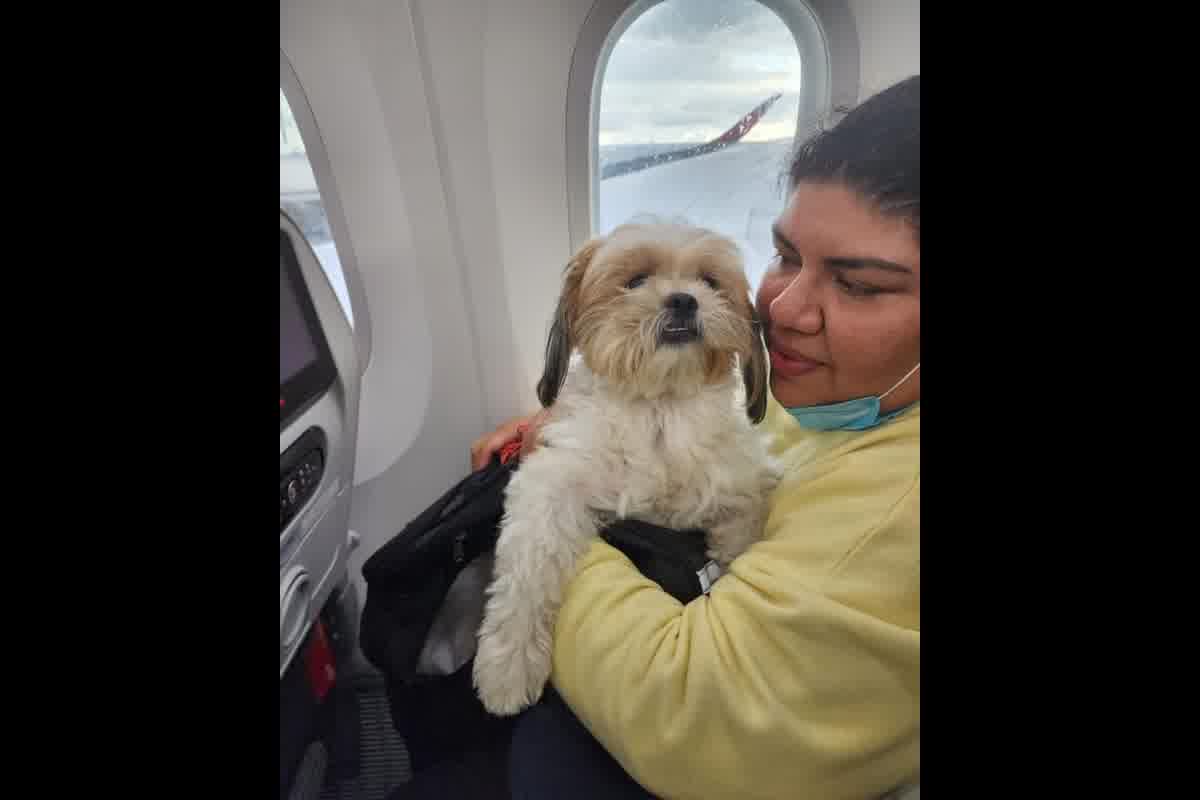
Technical planning of the international trip with a pet from Trujillo, Peru: microchip, rabies vaccine, RNATT, CZE and windows of 21, 30 and 10 days.
The passage almost never defines the calendar. It is defined by biology and the norm of destiny. In consultation in Trujillo we see the same pattern: the flight has already been purchased and only then does the question about deadlines arise.
The answer to how long before you start traveling with a pet is not a single figure. It depends on whether the destination requires only a current vaccine or also serological titration and subsequent waiting periods.
In simple scenarios, the starting point is the ISO 11784/11785 microchip implanted before any vaccinations you want to claim for the trip. Next comes the primary anti-rabies vaccination compliant with international movement regulations. For the European Union, Regulation (EU) 576/2013 establishes 21 days from the application for this primary vaccination to be valid for movement.
If you vaccinate today and the destination applies that rule, the 22nd is the first day eligible to travel. This does not yet include the 10-day cmvp health certificate or the inspection for the senasa zoosanitary certificate. Those windows are placed at the end of the schedule, not the beginning.
In these cases, the actual minimum schedule rarely goes below four to six weeks. Microchip, vaccine, 21-day wait, issuance of the clinical certificate within 10 days prior to departure and appointment at Senasa. Trying to compress that order produces reprogramming.

If the country requests RNATT with a threshold ≥ 0.5 IU/mL, the count changes. The sample for titration must be extracted at least 30 days after the primary anti-rabies vaccination compliant with international movement regulations. It is not enough that 21 days have passed.
After the extraction, the time of the authorized laboratory is added. In our clinical experience in Peru, several weeks can pass between sending, processing and issuing the report depending on the international flow. Some destinations add an additional waiting period from the sampling date before allowing entry.
In these scenarios, answering how long before you start traveling with a pet implies talking about months. Between microchip, vaccine, 30-day wait, serological result and eventual subsequent periods, the reasonable margin can extend to four or five months.
Vaccinating before implanting a microchip invalidates that vaccine for most formal import processes. The regulatory system needs to link a unique identification number with a specific health act.
When the chip is placed later, the previous vaccine ceases to have documentary value. You are vaccinated again, 21 or 30 days are counted again and, if RNATT applies, the extraction is rescheduled.
That is why planning should be seen as a file, not as a list of loose requirements. The complete development of that logic is described in The Pet Export File: Complete Document Chain, Taxonomy of Error and Reversibility, because each document depends on the previous one and does not allow partial backtracking.
The cmvp 10 day health certificate has a short validity. It is issued within 10 days prior to departure and loses validity if the flight changes beyond that window.
The Senasa zoosanitary certificate is scheduled when the clinical file is already closed. In Trujillo, Peru, the inspection appointment requires that the animal be clinically fit and free of visible ectoparasites. This review does not replace any previous deadline; just check that the sequence is complete.
Buying the ticket first sets a rigid date that biology does not negotiate. Clinical planning means accepting that some milestones cannot be accelerated: the immune system does not produce neutralizing antibodies due to logistical pressure and an accredited laboratory does not issue results based on your itinerary. When the order is reversed, the owner tries to adapt the medicine to the ticket and not to the regulatory framework.
In Trujillo we frequently see owners asking about the actual deadlines after having paid for the flight. The response in these cases is no longer planning, it is damage assessment. Sometimes the calendar allows adjustments; other times it forces the departure to be moved because the legal deadline does not fit the chosen date.
Define the exact destination and review its regulatory logic before implanting the microchip. The same country may have different conditions depending on origin or health risk category. This classification determines whether 21 days are enough or if you should plan a degree.
Set a tentative departure date and roll back all milestones from there: 10 days for clinical certificate, 21 or 30 days for validity or sampling, and additional weeks for laboratory. Only in this way can the question about how long before starting a trip with a pet be answered with concrete numbers and not with optimistic approximations.
It also considers real contingencies: a deferred vaccine due to fever, a serological result below 0.5 IU/mL that requires revaccination and repeating the process, or a change in regulations at the destination. Since August 1, 2024, for example, the United States modified its dog entry scheme under CDC guidelines, which altered planned schedules for several owners.
A calculation made with the wrong date can turn a scheduled trip into a file restarted from scratch. Zoovet Travel structures the clinical and documentary schedule around how long before starting a trip with a pet, validating microchip, vaccine, RNATT and certificates from Trujillo, Peru. Write to us by WhatsApp or schedule a consultation to review your destination and your real dates. Planning with a full calendar changes the result.
Calle Cuba 241, Urb. El Recreo — Trujillo, Perú