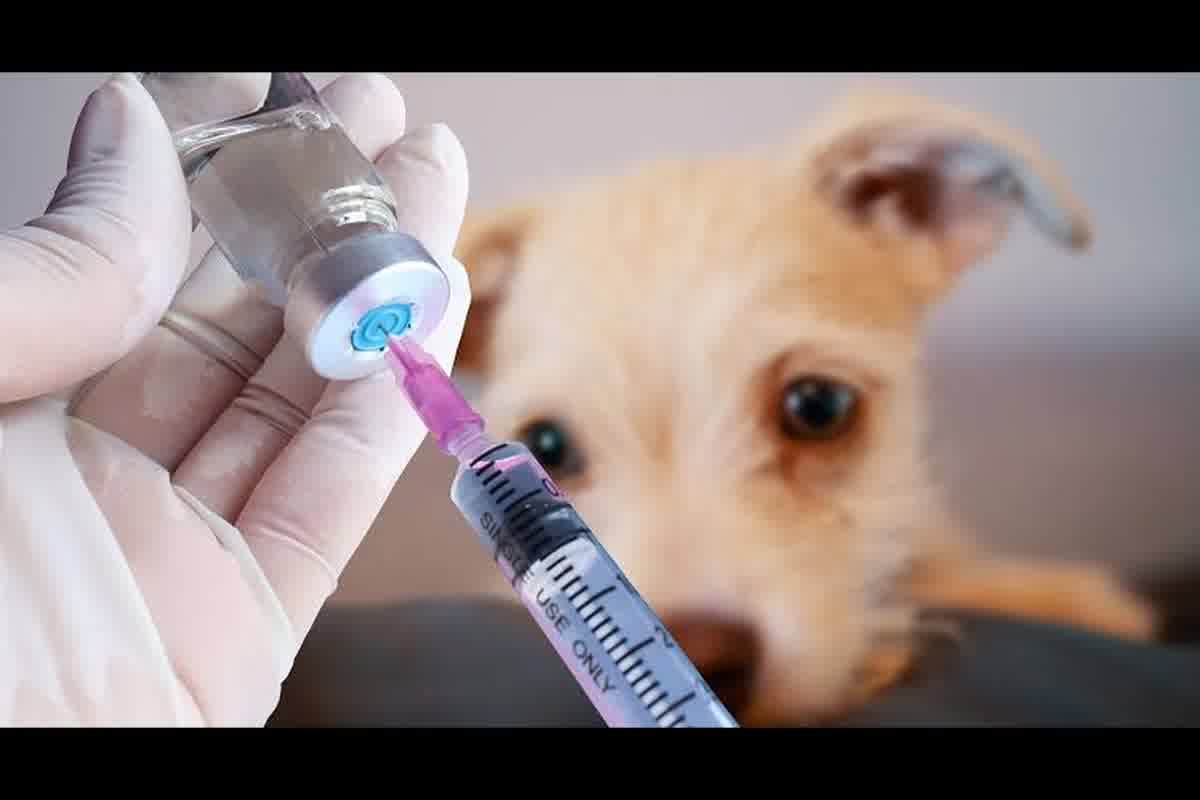
Technical chronology of the rabies vaccine for traveling from Trujillo, Peru: 21 days of EU validity, 30 days for RNATT, previous microchip and failures that restart protocols.
The mistake we see most in consultations is simple: you get vaccinated after purchasing the ticket. In international travel, the rabies vaccine is not interpreted as an isolated clinical act. It works as a mother date that activates regulatory windows, laboratory sampling and official certificates. In that logic, the rabies vaccine for travel becomes a checkpoint, not a decorative requirement.
The calendar has two different thresholds that people mix up: 21 days for a primary vaccination to be valid for traveling in the European Union and 30 days for a serological sample to be legally admissible when the destination requires titration. Confusing them does not produce “a small adjustment.” Produces reboots.
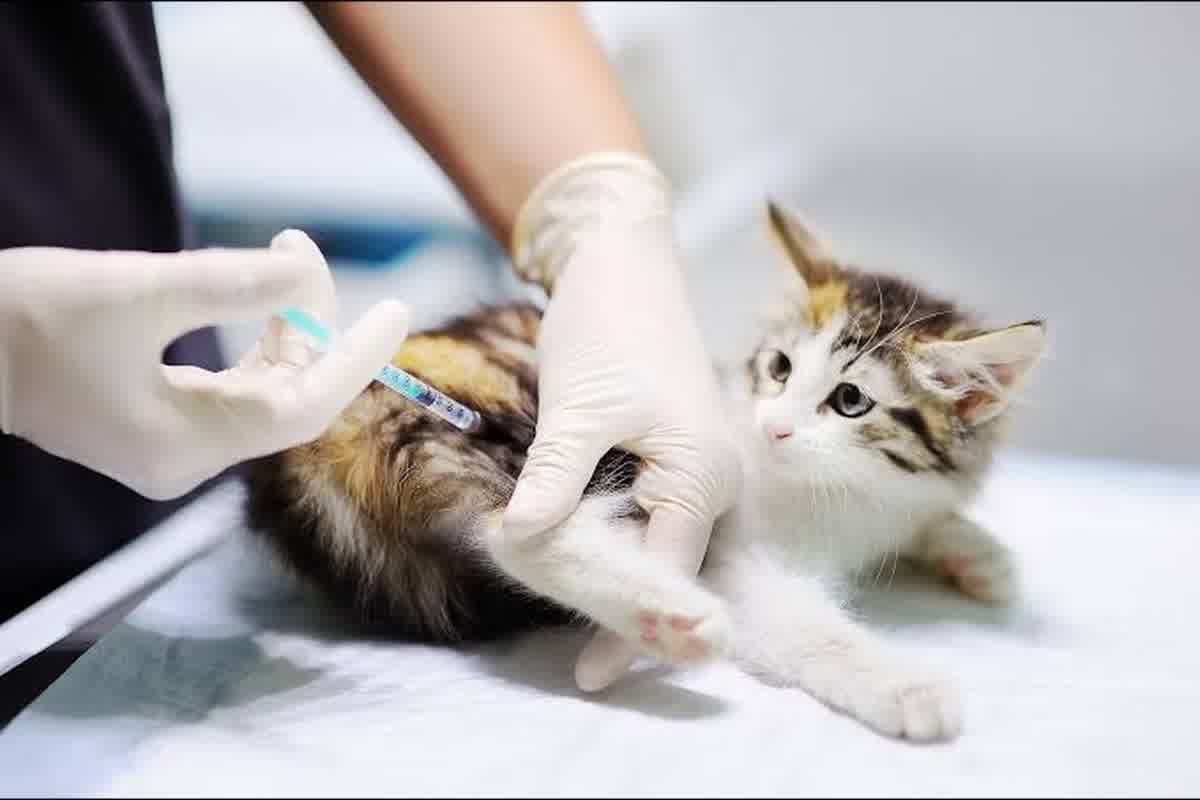
Regulation (EU) 576/2013 establishes that a primary anti-rabies vaccination compliant with international movement regulations is not valid for international movement until 21 days have passed since its application. The deadline exists because the humoral immune response does not appear on the same day in all animals. In most, neutralizing antibodies become detectable between days 7 and 14 and reach protective levels between 21 and 28 days.
The owner usually reads “21 days” as a window rule. It is not. If you vaccinate today and intend to travel in 10 days, the problem is not documentary: the animal is still in the susceptibility window. That is exactly what healthcare frameworks are trying to reduce on a population scale.
With revaccinations within the validity period, the logic changes. A revaccination given before the previous vaccine expires does not restart the 21-day waiting period, because the anamnestic response is rapid and the regulations recognize this. When you let coverage expire and get vaccinated later, most jurisdictions treat that act as a primary vaccination and you return to the full count.
Several destinations are not satisfied with a vaccination card. They require a rabies neutralizing antibody titer test, reported in IU/mL using RFFIT or FAVN, with a regulatory threshold ≥ 0.5 IU/mL. In those cases, the critical date is not the trip, it is the day the blood is drawn.
In the EU and other high-demand frameworks, the sample for titration must be taken at least 30 days after primary vaccination. The difference with day 21 is operational: an animal may be “valid for travel” on day 22, but its sample taken on that day produces a legally inadmissible serological result. The cost is not theoretical: the extraction is repeated from day 30, the result is expected and the schedule moves weeks. The complete documentary base of the certificate and its legal reading is detailed in Vaccination certificates in dogs and cats: immunological basis, health validity and international regulatory framework.
The United States reformed its dog entry scheme and, as of August 1, 2024, the CDC/USDA duo requires serology for high-risk countries under specific time windows. What is repeated in the clinic is the same pattern: vaccination done “on time” for the passage, but sampling done too soon for the norm that really dictates.
There are errors that cannot be corrected by adding days. The most expensive is to vaccinate before implanting a valid microchip. For destinations such as the United Kingdom, Australia or New Zealand, a rabies vaccine administered before microchipping is technically invalid for the import process. The file is restarted: chip, new vaccination and all the deadlines run again.
This point is not a preference of Zoovet Travel. It is traceability. The ISO 11784/11785 microchip is the health identity that allows a biological individual to be linked to a specific vaccination act. Without that prior identity, the destination authority has no way of attributing that vaccine to the animal it is inspecting months later.
In Trujillo, Peru, the microchip usually appears late for a reason: the owner sees it as “extra.” In international movement it behaves like infrastructure. When it comes in late, it drags the vaccine, drags the RNATT, and drags every certificate built on top of it.
Vaccinate and count 21 days from the next day. The account begins the same day of application. On flights scheduled just to the limit, a wrong interpretation leaves you outside of documentary control. That is not a “misunderstanding”: it is an invalid date in a binary system.
Program the RNATT thinking that “if 21 days have passed, that's it.” Sampling before day 30 behaves as a discarded result, even if the final number is high. In the EU, the problem is not the IU/mL value; is the temporal eligibility of the sample.
Define whether your destination requires only administrative validity or also a degree. When the country requests RNATT, the real calendar is no longer measured in weeks but in months, because laboratory times and, in some destinations, subsequent waiting periods are added to the extraction. Planning without that distinction is the most common recipe for rescheduling a trip.
Check the actual validity of the anti-rabies medication based on the criteria of the destination, not under the manufacturer's sticker or under local custom. The same certificate can be accepted in one country and considered expired in another due to calculation or recognition of duration. When destiny considers your revaccination as a primary vaccination, you return to 21 days even if the animal has years of history.
Decide the vaccination day in reverse: starting from the departure date and going back the number of days that your destination requires, with room for real clinical contingencies. That's the only way to use the rabies vaccine for travel as a planning tool and not as a patch later. When the sequence is right, the rest of the file is put together without friction.
A miscounted day or a vaccine given out of sequence can force you to restart protocols and move your departure weeks or months. Zoovet Travel designs the clinical and documentary calendar around the rabies vaccine for travel, from Trujillo, Peru, and validates the sequence with the destination before issuing certificates. Write to us by WhatsApp or schedule consultation to review dates and documents. The difference between traveling and rescheduling is usually a single well-placed date.
Calle Cuba 241, Urb. El Recreo — Trujillo, Perú