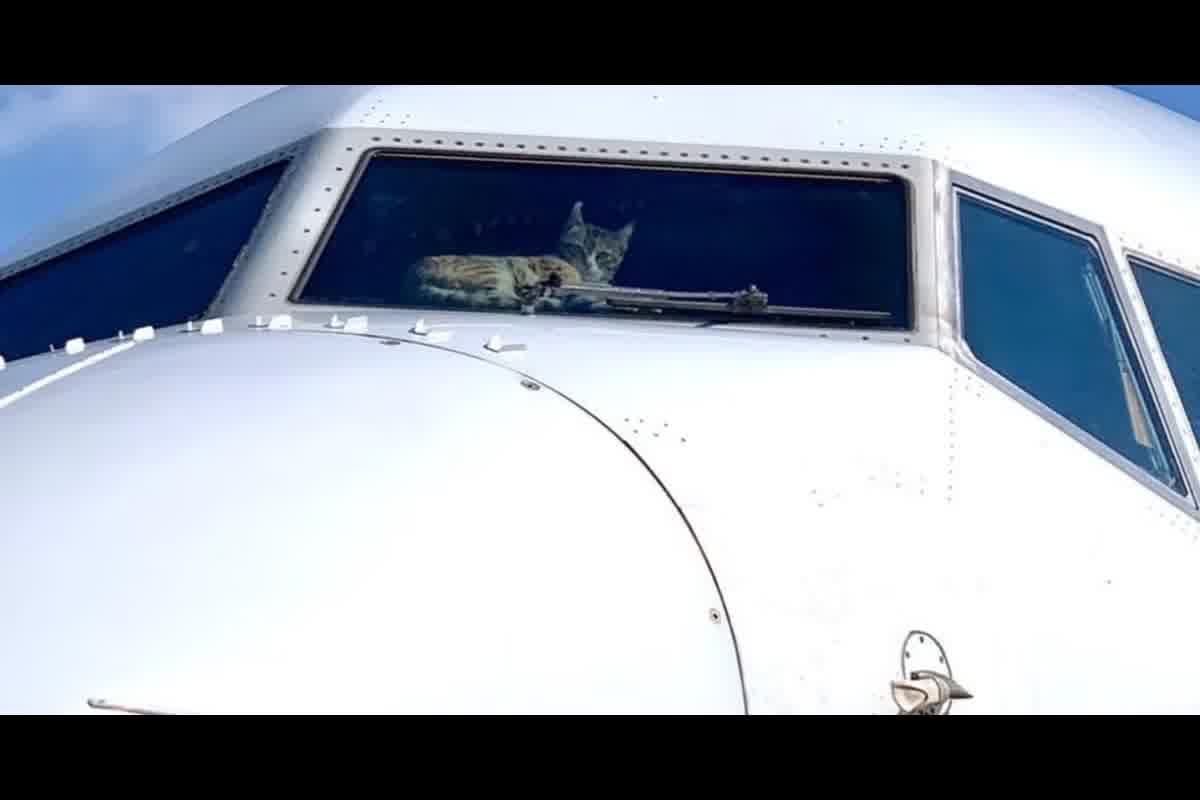
Technical analysis by Dr. Jessica Camacho on the transportation of felines. Risks of lipidosis, hypobaria and criteria for choosing between cabin or hold.
The metabolic fragility of the feline in the face of neuroendocrine stress determines that the choice of cargo compartment is not an aesthetic preference, but a decision of biological survival. When evaluatingcats in cabin vs. winery: when each option applies, the risk of triggering hepatic lipidosis due to reactive anorexia exceeds any logistical consideration. In Trujillo, we receive patients who arrive at the airport without the necessary ethological conditioning to withstand atmospheric pressure variations alone.
A cat that stops eating due to air travel panic initiates a massive mobilization of fatty acids to the liver in less than 24 hours. Unlike dogs, the feline metabolism is inefficient in processing these fats, which results in severe liver dysfunction that can be lethal upon landing. Traveling in the cabin allows the owner to monitor the animal's alertness and administer hydration or stimuli that mitigate the response of the HPA (hypothalamic-pituitary-adrenal) axis.
When the animal travels in the hold, the thermal and acoustic insulation prevents detecting whether the feline has entered a state of behavioral freezing or if it presents signs of respiratory distress due to hypobaria. Transport physiology requires understanding how confinement affects the gut microbiota and mucosal immunity, as we detail in our research on The gut-brain axis in dogs and cats during international transport: neuroendocrine integration, microbiota and energy metabolism. Direct visual monitoring in the cabin reduces the probability that an acute stress episode will go unnoticed by flight personnel.
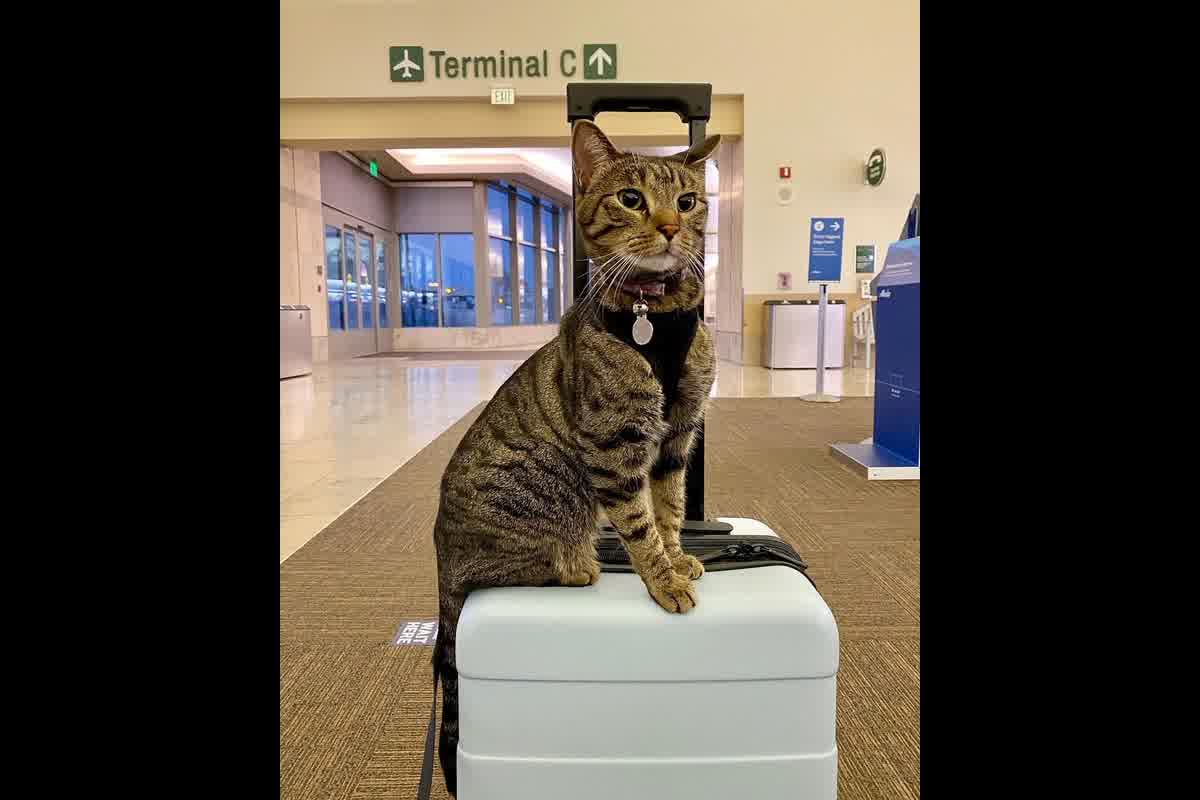
Pressurizing a commercial airplane at 8,000 feet equivalent altitude reduces oxygen availability, which directly impacts the feline's heart rate. In cats with subclinical cardiac pathologies, such as hypertrophic cardiomyopathy, this change in pressure can trigger pulmonary edema or thromboembolism. When comparingcats in cabin vs. winery: when each option applies, it should be considered that the passenger cabin usually has more stable temperature control and faster response to environmental emergencies.
The hold, although pressurized, is subject to noise from turbines and cargo movements that raise cortisol levels steadily throughout the journey. A cat with high levels of cortisol has a suppressed immune system that makes it vulnerable to outbreaks of herpesvirus or calicivirus post-travel. The management of these risks requires a prior clinical examination to certify the hemodynamic stability of the patient before subjecting them to the mild hypoxia of the international flight.
The cabin option is limited by the total weight of the cat plus the carrier, which generally should not exceed 8 kilograms for most companies operating in Peru. The container must be flexible and meet the exact measurements to slide under the front seat, ensuring that the animal can turn around and remain in a natural position. If the cat is a large breed, such as a Maine Coon, the carrier becomes the only legal alternative, requiring a rigid carrier with IATA CR-1 specifications.
The regulations of countries such as the United Kingdom or Australia prohibit the entry of animals in the cabin, requiring that all cats arrive as official cargo in the hold for biosafety reasons. In these scenarios, the owner should focus on preparing the microenvironment of the transport box, using synthetic pheromones and high-quality absorbent materials. Documentary security is the other pillar that supports this process, where the microchip must be implanted before any anti-rabies vaccine so that entry is authorized without detention.
Acclimatization to the carrier must begin at least three months before the scheduled flight date. A cat that identifies its box as a safe haven will maintain more stable circadian rhythms and less reactivity to auditory stimuli at the airport. It is not about forcing the animal to enter, but about converting the container into its usual feeding and resting area to reduce the desynchronization phenomenon that occurs during transit.
The use of sedatives is contraindicated in cats traveling by plane due to the risk of severe hypotension and suppression of postural correction reflexes. A sedated animal cannot respond adequately to turbulence or pressure changes, increasing the risk of physical injury or sudden death. The safe alternative is the use of nutraceuticals that modulate the stress response without compromising the patient's alertness or respiratory function.
Nutritional preparation prior to the trip should ensure that the cat is well hydrated and has not had any episodes of vomiting or diarrhea in the previous week. Hepatic lipidosis is much more common in animals that already have a negative energy balance before boarding the plane. In Trujillo, we perform complete biochemical profiles to rule out kidney or liver diseases that could be fatally complicated under the conditions of hypobaria and prolonged fasting associated with international travel.
The wrong decision between hold or cabin can trigger irreversible liver failure in your cat due to unmanaged metabolic stress. Zoovet Travel audits the health of your pet in Trujillo to determine if it is suitable for the flight and under what conditions of transport. Protect the life of your feline with medical protocols designed for international export.
Calle Cuba 241, Urb. El Recreo — Trujillo, Perú