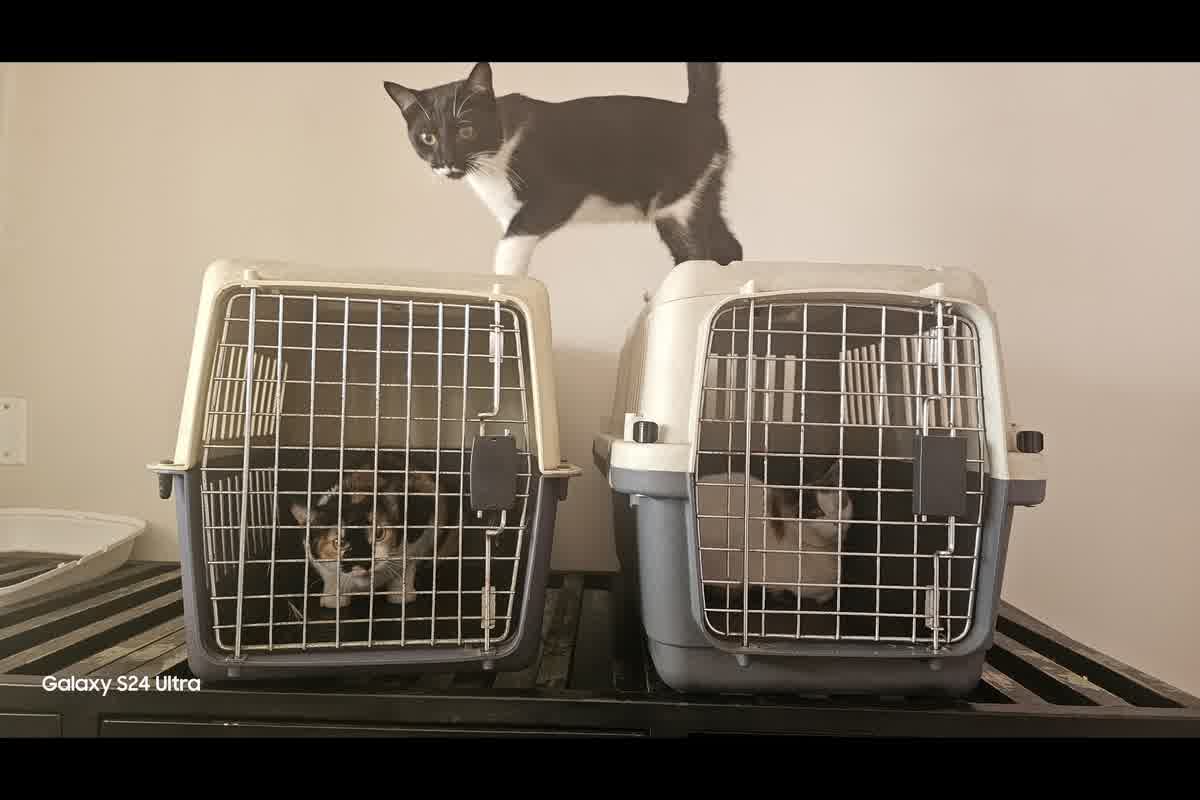
Technical analysis by Dr. Jessica Camacho on the legal and health consequences of traveling with pets without regulatory documentation. Deportation and quarantine cases.
Attempting to cross an international border with an animal that lacks official documentary support activates biosafety protocols that invariably end in the deportation or sanitary euthanasia of the specimen. IgnoreWhat happens if you take your pet without papers: real cases and consequencesIt is the most costly error we see in consultations in Trujillo, where families rely on informal vaccination cards to face rigid control systems. A customs officer does not analyze intentions or empathize with the traveler; It only verifies that the health chain of custody is reversible and verifiable.
When a dog arrives in destinations such as Australia or Japan without having complied with the serological waiting period or the import pre-notification, the Animal Quarantine Service (AQS or DAFF) orders immediate isolation. This measure is not met in the owner's home, but in closed government facilities where the daily cost can exceed $100, excluding additional veterinary expenses. In our practice in Peru, we have advised on cases where the animal must be held for 180 days because the owner omitted the rabies neutralizing antibody titer test.
The impact of prolonged isolation generates metabolic stress that compromises the animal's health, leading to dysbiosis or hepatic lipidosis in the case of cats. The lack of control over the environment and nutrition during the official quarantine negates any prior preparation that may have been made in Trujillo. Details about the flaws in these regulatory models are documented in our technical series on Quarantine in the International Importation of Dogs and Cats: Epidemiological Basis, Regulatory Models and Critical Failure Points.

Airlines face stiff fines if they disembark an animal that does not meet the destination country's requirements, forcing them to return the animal on the next available flight at the owner's expense. If the owner does not have funds to cover emergency return freight, the health authorities of the country of arrival proceed with preventive culling to avoid the risk of introducing zoonoses. The mistake we see most in consultations is assuming that the airport counter staff has the last word; The final decision is always that of the health authority at the point of entry.
In August 2024, the United States CDC implemented the "Dog Import Rule", which requires that any dog entering from countries with a risk of rabies, such as Peru, have a previously validated import form. Attempting to enter without this document results in denial of entry and forced transportation back to Lima. The animal is then trapped in an international transit zone without adequate medical assistance, increasing the risk of collapse due to dehydration and extreme depletion of the HPA axis.
A health certificate where the microchip number differs by a single digit from the code detected by the scanner makes the animal an "undocumented" individual before the law. For international regulations, a transcription error is equivalent to the total absence of the document, since it breaks the health traceability required by Regulation (EU) 576/2013. What people do not anticipate is that a poorly placed veterinary stamp or an illegible deworming date nullifies the validity of the entire export file accumulated for months.
In Trujillo, we audited files where the rabies vaccine was administered before the microchip was inserted, which legally invalidates the immunization in the eyes of any European Union inspector. This chronological inconsistency is irreversible and forces the traveler to restart the process from scratch, including the minimum 30-day post-vaccination wait and, where appropriate, the three-month wait after serology. The cost of these document errors is not only financial, but it destroys the moving logistics of an entire family.
Obtaining the Official Veterinary Export Certificate (CZE) issued by SENASA is the only legal support that guarantees that the animal has gone through the controls of the country of origin. This document must be processed with a maximum margin of 10 days before the flight, since its validity is extremely short and is subject to the date of the clinical examination. If the flight is delayed and the CZE expires, the animal will not be able to board or enter the destination country, leaving it in a legal vacuum in the air terminal.
The documentary chain must be guarded by a specialized veterinarian who understands the taxonomy of documentary error and its impact on biosafety. It is not enough to have the papers; It is necessary that each treatment, from internal deworming against Echinococcus multilocularis to serological titration, be registered with the trademark and batch number of the dose used. The lack of technical precision in the records is the cause of 90% of rejections at international customs, a risk that is mitigated with a rigorous clinical audit prior to departure from Peru.
Microchip verification should be performed at each visit to ensure that the transponder remains operational and in its correct anatomical position. A microchip that stops working during the flight turns the animal into an undocumented subject upon landing, regardless of whether paper health certificates are presented. Having a digital and physical backup of the implantation, along with the manufacturer's original tags, makes it possible to manage contingencies that would otherwise end in the indefinite retention of the animal in a border kennel.
Document validation and correct dates prevent deportation or quarantine. Zoovet Travel audits each critical point of your file in Trujillo to guarantee that the document chain complies with international biosafety standards.
Calle Cuba 241, Urb. El Recreo — Trujillo, Perú