Technical guide on the ISO 11784/11785 FDX-B compliant microchip transponder for pets in Peru. International requirements, FDX-B standards and the correct implementation procedure in Trujillo.
The implementation of an identification device that does not comply with global reading protocols cancels any export procedure before reaching the border. Many owners in Trujillo assume that any commercial chip is valid, but ignoreWhat is the international microchip and how do you process it in Peru?under the ISO standard results in immediate rejection by SENASA. The device should be a health infrastructure prior to vaccination, not a last-minute accessory.
The international microchip is a passive radio frequency transponder (RFID) encapsulated in biocompatible glass that emits a unique 15-digit code when activated by a scanner. For this code to be recognized in Europe, Asia or North America, the device must operate under FDX-B technology and comply with ISO 11784 and 11785 standards. In Peru, 9 or 10-digit chips circulate that lack regulatory validity outside the country and that official readers in foreign customs cannot process.
The code structure is not random; The first three digits correspond to the manufacturer code or the country code, ensuring that no two animals with the same registration exist in the world. Traceability depends on this number being unalterable and legible throughout the life of the animal, acting as the legal anchor of its export file. The technical foundations of this technology are detailed in our technical article on Animal identification microchip: technological foundation, international regulatory framework and health traceability.
The mistake we see most in consultations in Trujillo is vaccinating against rabies before implanting the microchip. Regulation (EU) 576/2013 and most international regulations stipulate that identification must precede or be simultaneous with any official medical act. If the recorded vaccination date is prior to the chip implantation date, the vaccine is considered invalid for international movement and the animal must be revaccinated, losing weeks of logistical time.
This requirement ensures that the veterinarian certifies the health and immunization of a specific and verifiable individual. At the time of consultation, we first proceed with reading the chip to confirm its location and function before proceeding with the clinical evaluation. A chip that has migrated or has stopped emitting a signal renders the animal's passport useless and requires immediate health re-labeling under professional supervision.
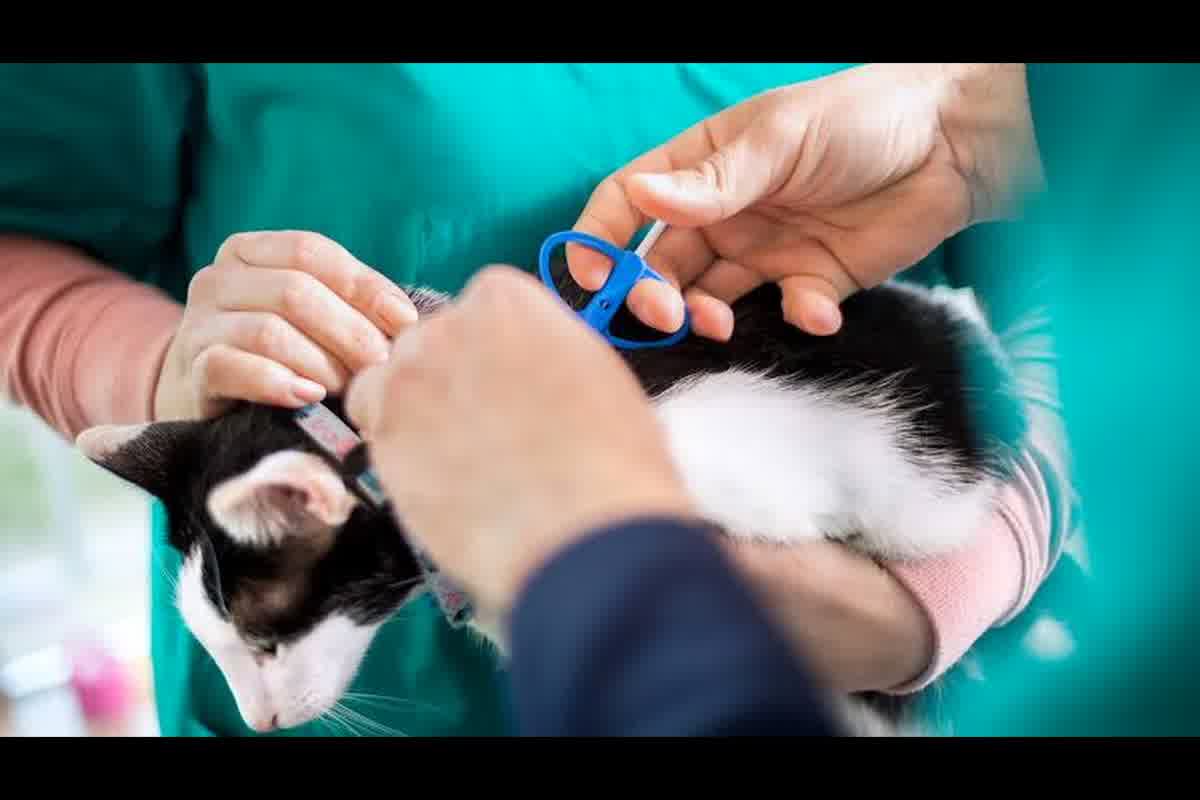
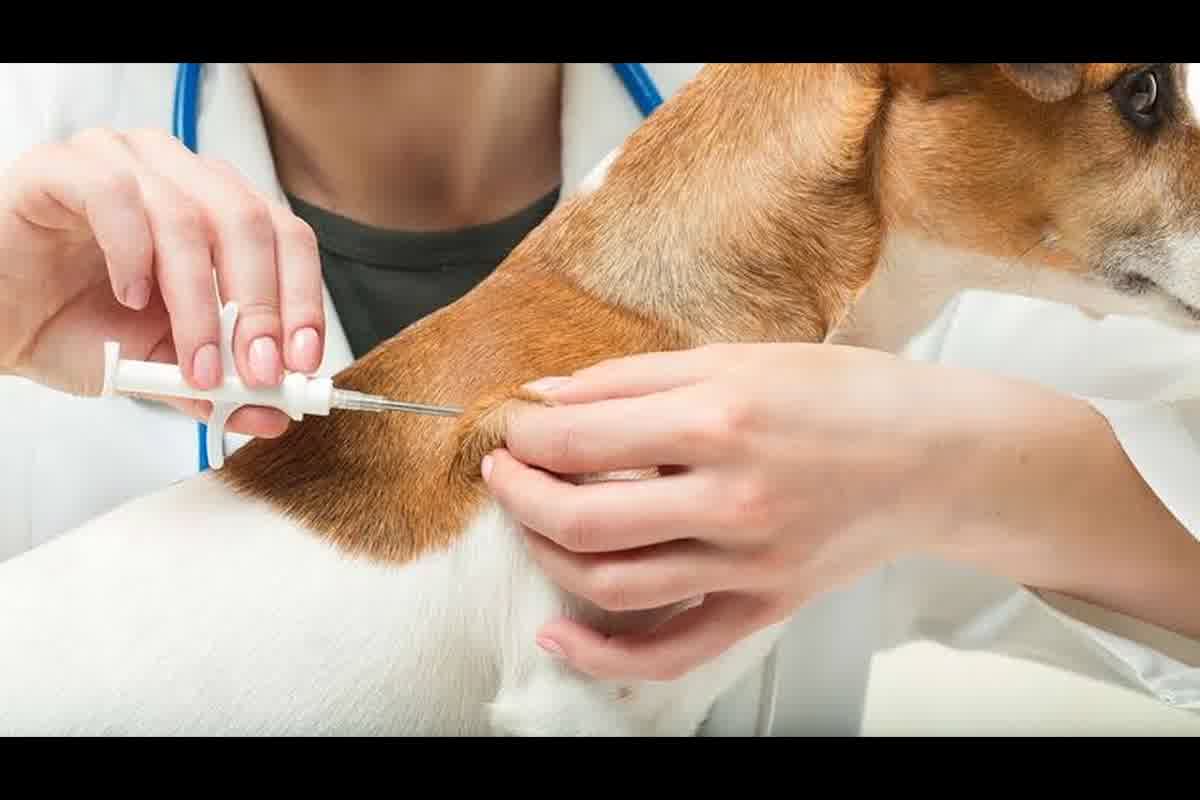
The placement of the international microchip in Peru is carried out through a subcutaneous injection in the interscapular area, a procedure that does not require anesthesia and is carried out in a matter of seconds. After application, the veterinarian must provide a certificate or identification certificate that includes the original manufacturer's labels with the barcode. This document is what allows the animal to be linked to its Official Veterinary Export Certificate issued by SENASA.
Registering the chip in local databases is an additional security step, but what really matters for traveling is the physical backup on the vaccination card and official certificates. The owner must keep at least two microchip stickers for any future duplicate document procedures. Loss of traceability between the chip code and medical records is often the main cause of holds at departure inspections at Jorge Chávez Airport.
Verifying the reading is the critical step that is often skipped. Before purchasing tickets, it is necessary to confirm that the microchip is readable with universal scanners and that it has not moved to areas of the body where it is difficult to detect. A chip that requires special reading equipment forces the owner to travel with their own scanner, a logistical complication that is avoided by choosing certified devices from the beginning of the process in Trujillo.
The absolute agreement of the data between the implementation certificate and the owner's identity documents prevents observations in the SENASA system. A poorly transcribed digit in the export file translates into an irreversible documentary error that stops the flow of the procedure before the Peruvian health authority. Thorough review of each microchip number on health and vaccination certificates is the only real defense against administrative delays at the inspection point.
The durability of the device is designed to exceed 25 years, covering the life expectancy of any dog or cat. However, external factors such as severe trauma to the application area can damage the glass encapsulation. Therefore, we recommend performing a control reading at each annual visit to the veterinarian to ensure that the identification infrastructure remains operational and ready for any unexpected international movement.
The lack of a standardized microchip or an error in the date of your application will invalidate all your vaccination certificates and stop your departure from Peru. Zoovet Travel carries out the certified implementation and audit of your file in Trujillo to guarantee correct reading at any international customs. to ensure that your pet has the necessary ISO identification. Differentiate your process with verified medical traceability and avoid rejections in SENASA control.
Calle Cuba 241, Urb. El Recreo — Trujillo, Perú