Clinical analysis by Dr Jessica Camacho on signs of stress in your pet during travel and technical intervention protocols for international flights.
Collapse of the neuroendocrine system in a confined animal does not manifest only through crying or escape attempts, but through silent metabolic alterations that compromise survival. Recognising signs of stress in your pet during travel and what to do about them separates a successful arrival from a clinical emergency at the destination airport. In Trujillo we see patients that arrive with severe dehydration because their owners did not interpret that persistent panting was not heat but a cortisol storm.
Exposure to turbine noise, vibrations and atmospheric pressure changes triggers immediate release of catecholamines and glucocorticoids from the adrenal glands into the bloodstream. This response, mediated by the hypothalamic–pituitary–adrenal (HPA) axis, causes increased heart rate, hypertension and redistribution of blood flow away from the digestive system to prioritise muscles. If the pet shows mydriasis (dilated pupils), hypersalivation or fine muscle tremors, the organism has already exceeded its initial compensation capacity and entered a phase of acute distress.
Desynchronisation of biological rhythms weakens the intestinal barrier, allowing opportunistic bacteria to cross the mucosa and generate a systemic inflammatory response before landing. The molecular mechanisms of this vulnerability are detailed in our study on The gut–brain axis in dogs and cats during international transport: neuroendocrine integration, microbiota and energy metabolism. A dog that yawns repeatedly or shows “whale eye” (sclera visible) is communicating an anxiety level that precedes total metabolic exhaustion.
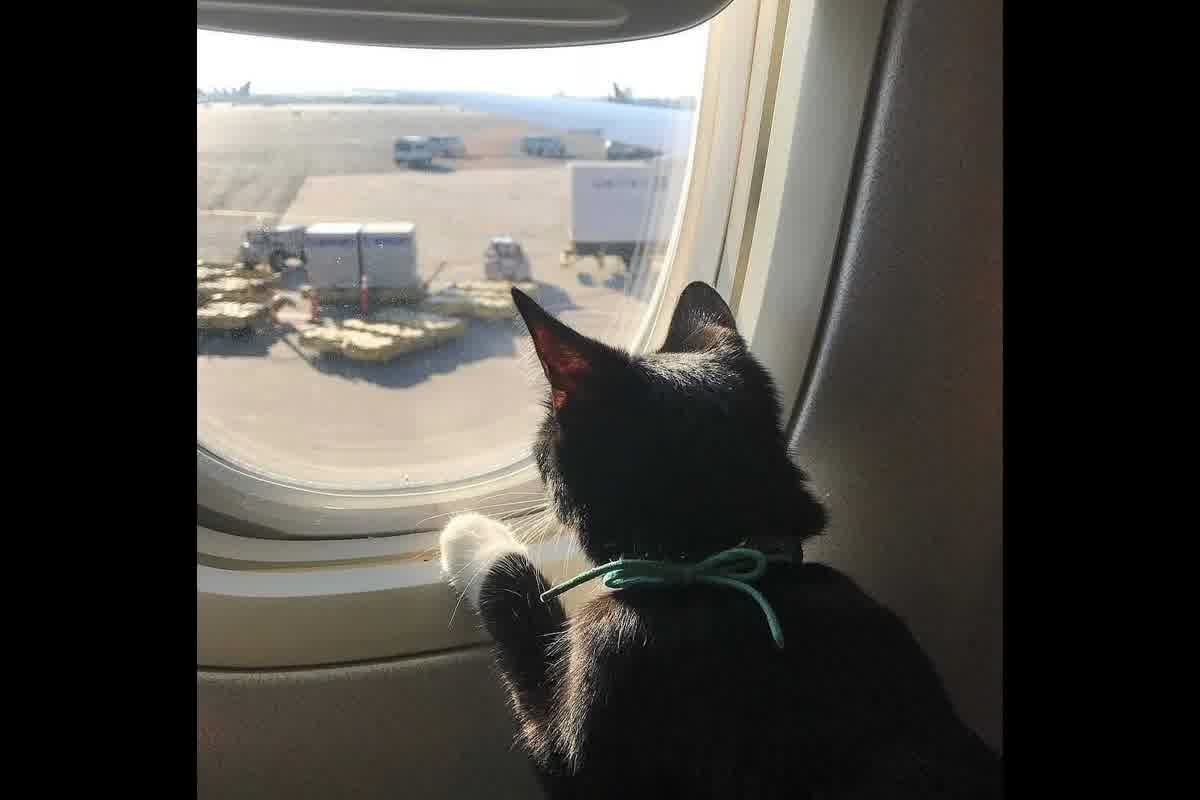
Felines manage stress through behavioural inhibition, which is often mistaken for calm when it is actually tonic immobility induced by panic. A cat that travels in silence but has shallow rapid breathing or sweaty footpads is suffering severe neurovegetative impact. Feline hepatic lipidosis is the most serious consequence; a cat that refuses to eat for more than 24 hours due to fear starts massive mobilisation of fat to the liver that can be lethal.
Facial marking and synthetic pheromones help reduce central nervous system reactivity but do not replace prior carrier conditioning. What people do not anticipate is that a cat that grooms excessively (stress grooming) or hides at the back of the carrier is trying to regulate a core temperature that rises dangerously with anxiety. Intervention at this point requires thermal stabilisation and avoiding unnecessary handling that increases perceived threat in the airport terminal environment.
Technical hydration is the most powerful defence tool against the blood viscosity caused by constant adrenaline release. Providing fresh water via drip drinkers allows the pet to keep mucous membranes moist without spillage risk that wets the coat and causes evaporative hypothermia in the cabin. If you notice your dog panting stridently, apply cool cloths to sparsely haired areas such as the inguinal region to force a drop in core temperature before a heat-stroke denial of boarding.
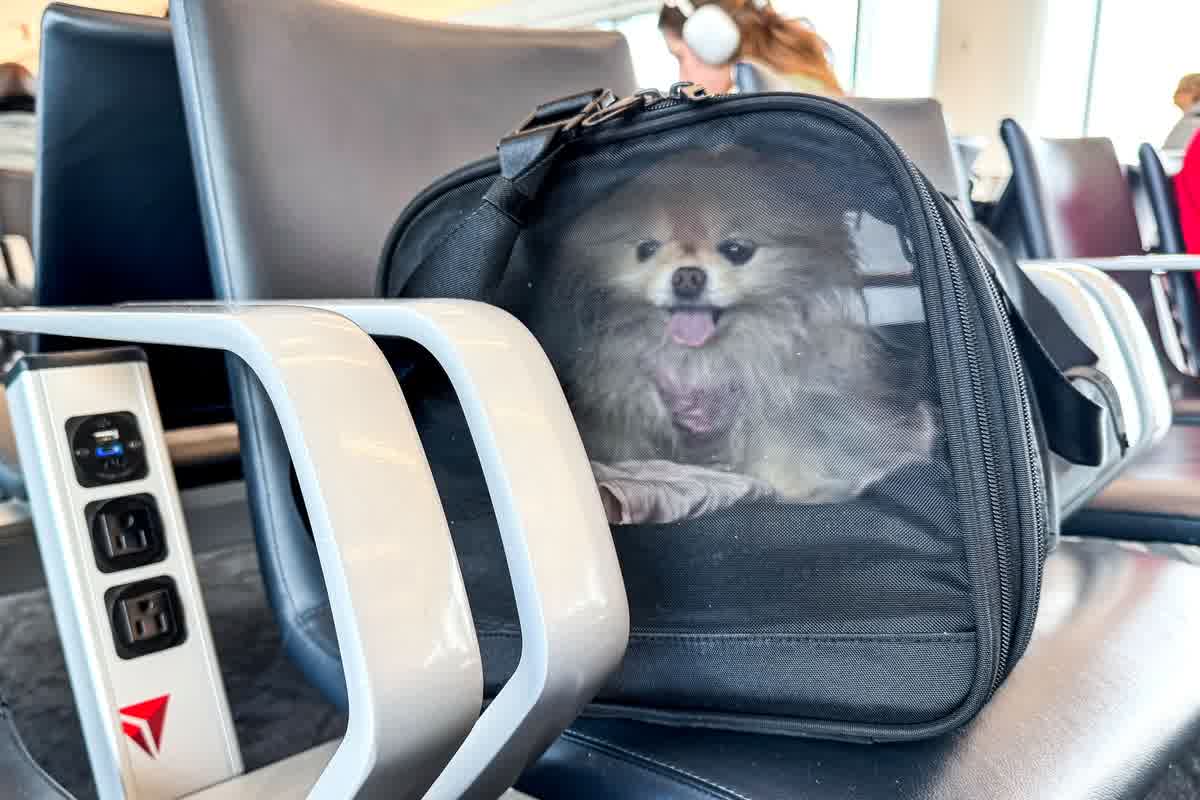
Administration of nutritional supplements containing L-theanine or alpha-casozepine, started at least seven days before export, helps modulate GABA receptors without the dangerous sedation that airlines prohibit. These substances allow the animal to process external stimuli without entering a panic cycle leading to self-injury inside the crate. When detecting signs of stress in your pet during travel and what to do, the priority must be reducing visual stimuli by partially covering the carrier with a blanket that preserves ventilation but removes the chaotic movement of the airport.
Acclimatisation to the carrier is a process that takes on average eight weeks of positive training for the animal to identify it as a biological safety zone. Putting a pet into a new carrier on the day of the flight guarantees an uncontrollable stress response that will raise blood glucose and lactate. In our clinic in Peru we assess the patient’s baseline heart rate inside their travel crate to issue a health certificate with a real fitness criterion, not a purely administrative one.
The pre-export clinical examination must include dental and pad review, as chronic stress exacerbates any pre-existing inflammatory focus. SENASA requires the animal to be free of ectoparasites and in good general condition, but a professional must go further and verify cardiovascular stability under effort. A dog with subclinical heart murmurs will fail much sooner under the mild hypoxia of flight if boarding stress has already exhausted myocardial oxygen reserve.
Internal parasite treatment must use drugs without emetic side effects, as a vomiting episode in the carrier increases aspiration pneumonia risk. Active ingredient choice must align with the destination country’s regulatory windows, such as treatment against Echinococcus multilocularis required by the United Kingdom or Norway between 24 and 120 hours before entry. An error in this time window not only creates a documentary problem but forces repeat veterinary handling that stresses the animal just before their longest flight.
A physiological assessment allows the veterinarian to design a travel plan and minimise your pet's stress. Zoovet Travel audits the neuroendocrine stability of patients in Trujillo to mitigate signs of stress during travel and guide prevention.
Calle Cuba 241, Urb. El Recreo — Trujillo, Perú