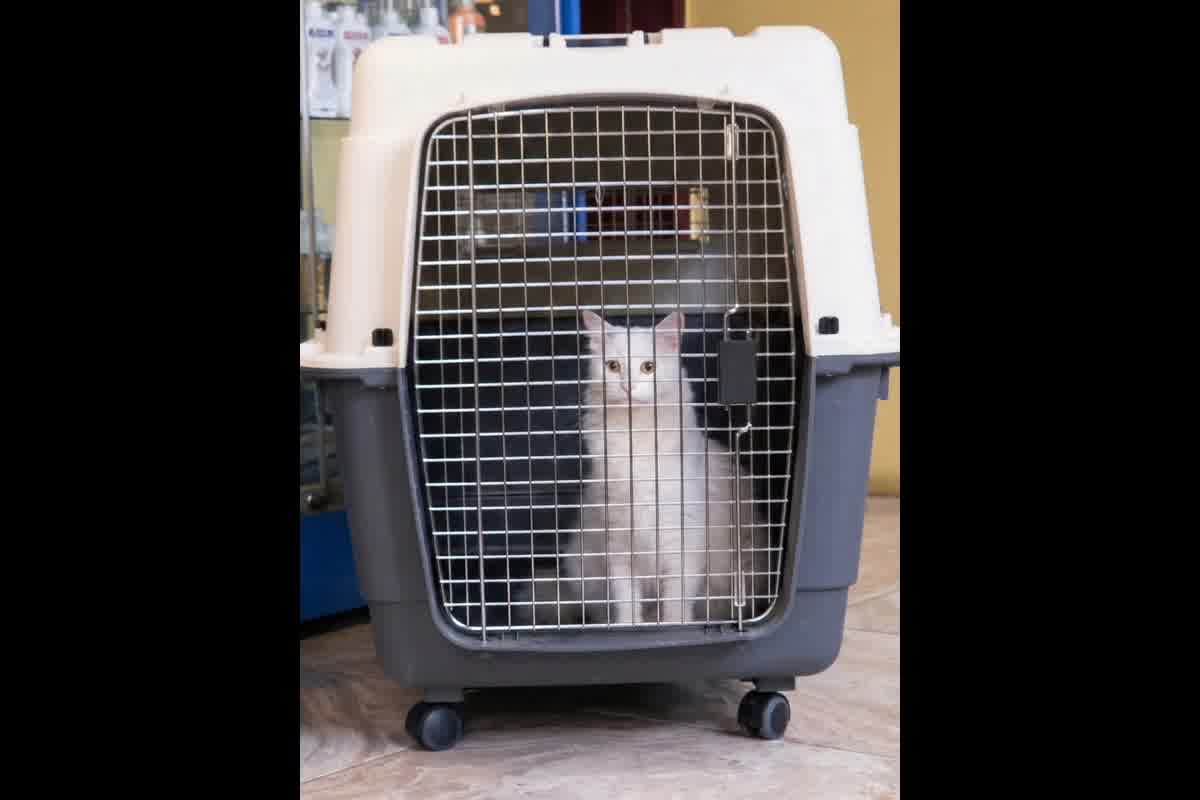
Technical guide by Dr. Jessica Camacho on the ideal carrier for traveling by plane: measurements, materials and common errors according to IATA regulations.
Denied boarding at the airport counter usually occurs because the container does not allow the animal to maintain a neutral physiological posture. UnderstandThe ideal carrier for traveling by plane: measurements, materials and common errorsprevents an export process managed for months from collapsing minutes before takeoff. In Trujillo, we frequently see families purchasing cages based on price, ignoring that the IATA LAR standard is a biosafety and welfare standard, not a logistical suggestion.
The container must ensure that the dog or cat can stand with its head up without touching the ceiling, turn around and lie down in a natural position. The regulations require that the height of the cage be at least 5 centimeters higher than the highest point of the head or ears of the standing animal. If the dog travels with its ears touching the top, the ramp inspector has the authority to declare the container unfit due to risk of cervical injuries and confinement stress.
Ventilation is the second critical factor and must occupy at least 16% of the total surface area of the four walls of the container. On international flights from Peru, passive airflow prevents heat stroke during waits on the tarmac, especially on stopovers in tropical climates where the internal temperature of the cage rises quickly. The basics of how space influences the neuroendocrine response are detailed in The health certificate in the international movement of dogs and cats: clinical examination, health traceability and documentary validity.
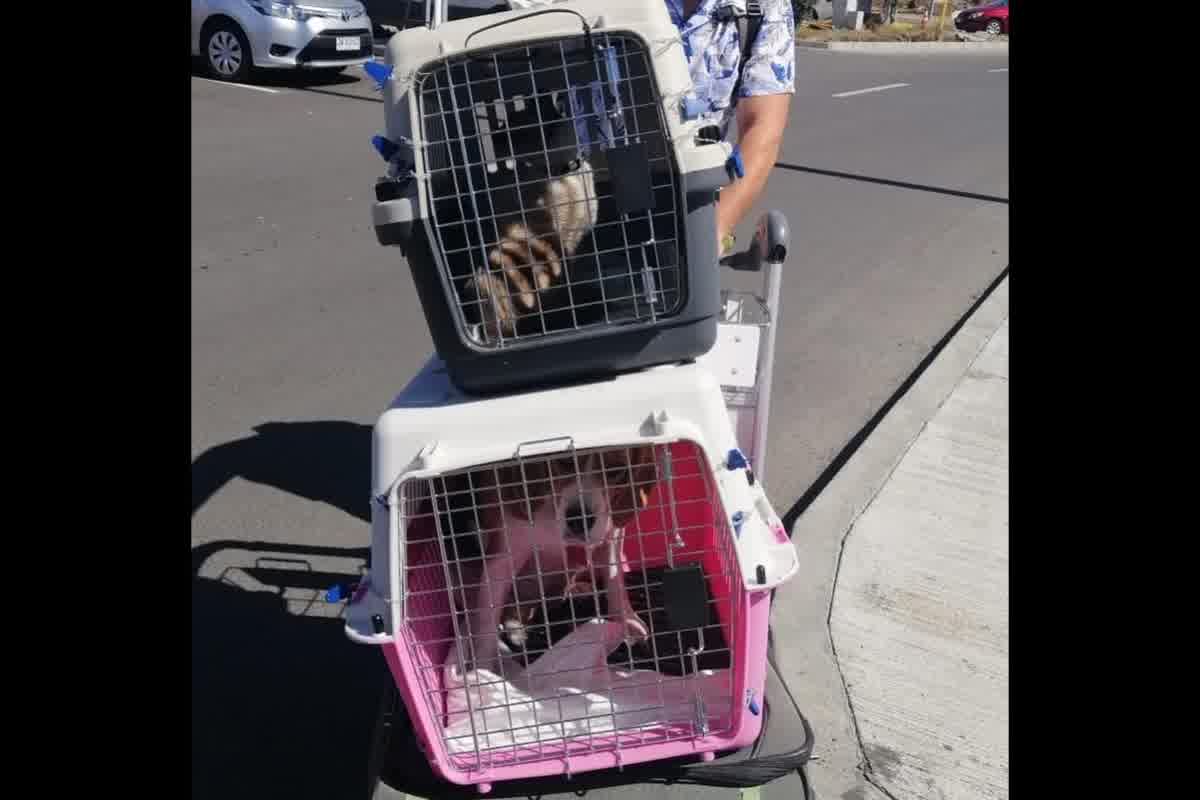
Cellar cages should be made of rigid plastic, metal or solid wood, with high-density plastic being the most efficient material due to its relationship between weight and resistance. Containers that are assembled using plastic clips without metal screws are prohibited for international transportation due to the risk of accidental opening during turbulence. An error that we see in consultation is the use of cloth briefcases in the warehouse; These are only allowed in the cabin and under weight limits that usually range between 8 and 10 total kilograms.
The floor must be watertight and covered with absorbent material that retains fluids without allowing leaks to the outside of the container. The door must have a central locking system that blocks the top and bottom simultaneously, preventing the animal from forcing the corners by using a lever with its snout. The integrity of the container protects the animal from external impacts and ensures that stevedoring personnel can handle the cargo without risk of bites or accidental escape into the loading area.
The design of the carrier must include double-compartment drinkers fixed to the door, which must be able to be filled from the outside without having to open the cage. Technical hydration prevents excessive blood viscosity in hypobaria conditions, reducing myocardial workload during ascent and descent. In Trujillo, we recommend the use of containers that allow the water to be frozen previously so that it melts gradually, ensuring availability of liquid even on long transatlantic journeys.
The presence of toys, collars or leashes inside the container represents a danger of strangulation or suffocation due to ingestion of foreign bodies in the event of panic. The animal should travel only with clean absorbent material and, optionally, a garment with the owner's odor that reduces the reactivity of the central nervous system. Biological safety in air transport of pets requires that the internal microenvironment be as aseptic and obstacle-free as possible to facilitate thermoregulation through panting.
Desensitization to the carrier is a process that takes between six and eight weeks for the dog to identify it as an area of low reactivity. Introducing the animal into an unfamiliar cage on the same day of the flight triggers cortisol and lactate levels, increasing the risk of metabolic failure due to acute stress. In our clinic we evaluate whether the animal shows signs of anxiety due to confinement before issuing the health certificate, since the physical integrity of the patient depends on its emotional stability during confinement.
External labeling must include "Live Animal" signage and vertical position arrows on at least two sides of the container. The documentary file, including the copy of the Official Veterinary Export Certificate issued by SENASA, must be attached to a transparent, water-resistant bag at the top. In Peru, labeling errors are a frequent cause of delays at the loading terminal, exposing the animal to unnecessary waiting times in areas with limited ventilation and excessive noise.
Verification of the hardware and the condition of the metal mesh must be carried out 24 hours before delivery to the air terminal. Wear and tear from previous use or the presence of rust on the door are sufficient reasons for the airline to reject the bag due to non-compliance with security. The choice ofThe ideal carrier for traveling by plane: measurements, materials and common errorsIt ends with a technical inspection that guarantees that no internal element can detach and cause injuries due to sudden movements of the aircraft.
Choosing an inappropriate cage will cause your pet to be rejected at the airport, losing the flight and the validity of its health certificates. Zoovet Travel audits and certifies containers under IATA standards in Trujillo to ensure that the ideal carrier for traveling by plane: measurements, materials and frequent errors meets every technical rigor. or to validate your travel equipment. Protect your investment and the life of your partner with expert advice.
Calle Cuba 241, Urb. El Recreo — Trujillo, Perú