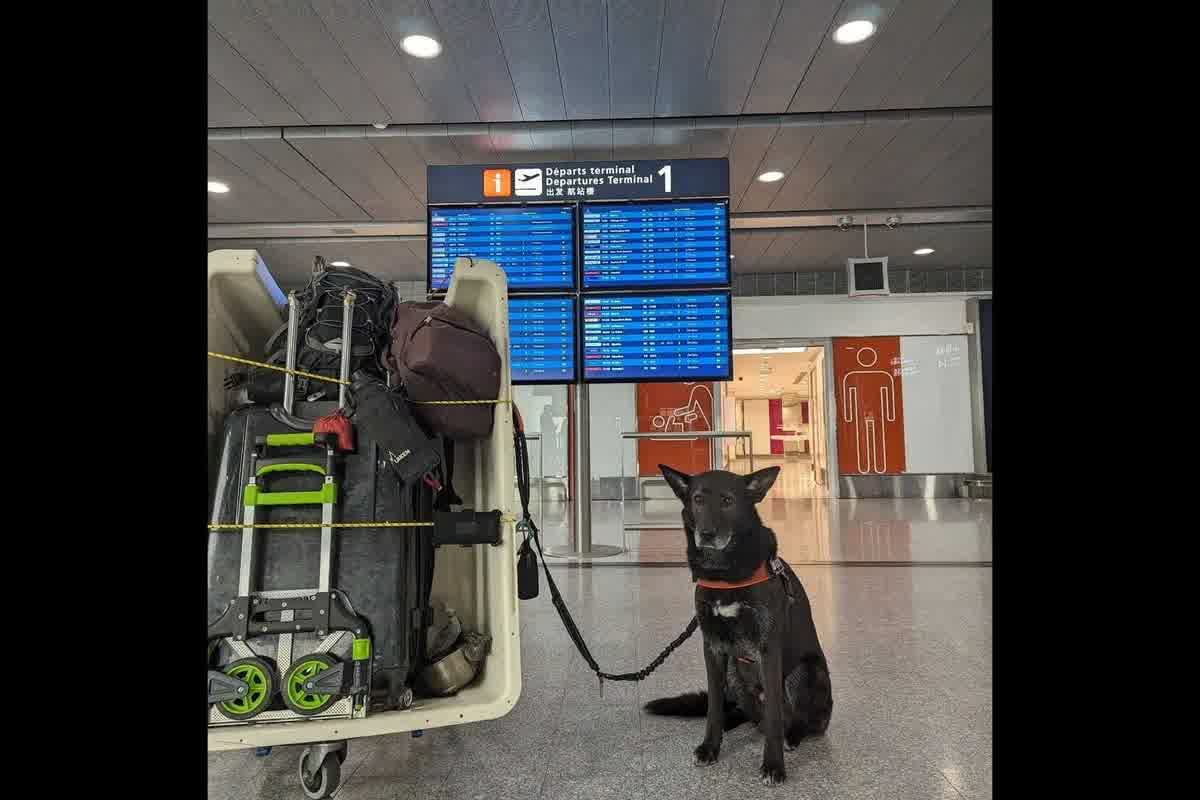
Technical analysis by Dr. Jessica Camacho on the physiological and logistical risks of air transport in dogs over 8 years of age from Trujillo.
A canine's physiological reserve decreases dramatically as it enters the geriatric stage, transforming a routine flight into a metabolic challenge that its body may not compensate for. When consideringtraveling with a senior dog: what changes after 8 yearsIt is the ability to respond to hypoxia and thermal stress, factors that are manageable in young animals but are critical in older patients. In Trujillo, we receive families who try to transport 10 or 12 year old dogs based solely on their external appearance, ignoring that internal organic wear is not always visible to the naked eye.
A senior dog has lower efficiency in heat dissipation mechanisms and a more erratic adrenergic response to intense auditory or vibratory stimuli. During air transport, activation of the HPA axis causes a release of cortisol which, in geriatric animals, can exacerbate pre-existing conditions such as subclinical kidney or liver disease. Prolonged exposure to turbine noise on airport runways with varying temperatures quickly depletes the metabolic energy that the animal needs to maintain its thermal homeostasis.
The fragility of the gut-brain axis in older patients often manifests as acute post-flight dysbiosis, which compromises their nutritional recovery after landing. Understanding how confinement affects the microbiota and energy metabolism is vital, as detailed in the technical study The gut-brain axis in dogs and cats during international transport: neuroendocrine integration, microbiota and energy metabolism. A dog over 8 years old requires a prior support protocol that ensures that its intestinal and immunological barrier can resist the neuroendocrine impact of the trip.

Pressurizing the cabin at altitudes equivalent to 8,000 feet reduces the availability of oxygen, forcing the heart and lungs to work harder. In a young animal, this effort is physiological, but in a senior dog with chronic valvular changes or incipient pulmonary fibrosis, mild hypoxia can trigger congestive heart failure. The clinical examination for a health certificate in these patients must be exhaustive and include imaging tests that rule out pathologies that simple auscultation cannot detect.
Boyle's Law influences the expansion of internal gases, which in older animals with reduced digestive motility can cause severe abdominal discomfort and secondary respiratory distress due to pressure on the diaphragm. The clinical management of these patients in our office in Trujillo prioritizes hemodynamic stability over administrative compliance, since a signed document does not guarantee the survival of the animal in the event of sudden changes in atmospheric pressure. The flight fitness of a senior dog is not decided by its chronological age, but by its functional status assessed under simulated stress.
The dilemma of shipping an older dog in the hold is often resolved by airlines denying service due to the high risk of sudden death. Isolation in the hold prevents immediate intervention in the event of episodes of disorientation or physical claudication, common in dogs with cognitive dysfunction or severe osteoarthritis that prevents them from maintaining balance during turbulence. As long as size allows, the passenger cabin is the only option that allows constant monitoring of the animal's respiratory rate and alertness.
Airline restrictions on senior pets are becoming stricter on transatlantic flights due to the legal liability involved in a death in transit. In Peru, export protocols require that the health certificate explicitly declare that the animal is suitable for travel, a responsibility that the veterinarian should not take lightly in geriatric patients. The technical documentation must be impeccable, linking each preventive examination to the ISO 11784/11785 FDX-B compliant microchip transponder to ensure the traceability and veracity of the medical evaluation presented to the destination authorities.
Performing a complete biochemical profile and echocardiogram is the non-negotiable first step for any dog over 8 years of age. These tests allow us to identify kidney failure in the initial stages or heart murmurs that contraindicate long-distance air travel. In Trujillo, we have seen how export processes are stopped days before traveling because a last-minute analysis reveals anemia or elevated liver enzymes that the owner considered nonexistent because the dog "looked fine."
Acclimatization to the carrier should be much more gradual and focused on orthopedic comfort to prevent the dog from developing compression myalgias during flight. The use of memory foam mattresses and the provision of highly absorbent pads are necessary to manage urinary incontinence, which is often exacerbated by stress in older dogs. Pharmacological sedation should not be administered, as tranquilizers depress cardiorespiratory function and increase the risk of hypothermia and death from asphyxiation at cruising altitudes.
Hydration must be rigorously monitored in the previous 48 hours, ensuring that the patient arrives at the airport with an optimal electrolyte balance. A dehydrated senior dog is much more likely to suffer vascular embolisms or collapses during pressure fluctuations on takeoff and landing. The diet should be light and highly digestible to reduce the workload of the digestive system and minimize the production of gases that could compromise respiratory capacity in the hypobaric environment of the aircraft.
It is essential that the geriatric animal undergo a health evaluation so the veterinarian can design a structured plan and minimise travel risks. Zoovet Travel performs the necessary functional fitness tests in Trujillo to determine if your companion can withstand the stress of an international move.
Calle Cuba 241, Urb. El Recreo — Trujillo, Perú